Sekala, niskala, main malu.
ᬢᬓ᭄ᬲᬸ
ᬢᬓ᭄ᬲᬸ
ᬢᬓ᭄ᬲᬸ
ᬢᬓ᭄ᬲᬸ
est. 1996
Emma-Jane MacKinnon-Lee at the local night market.
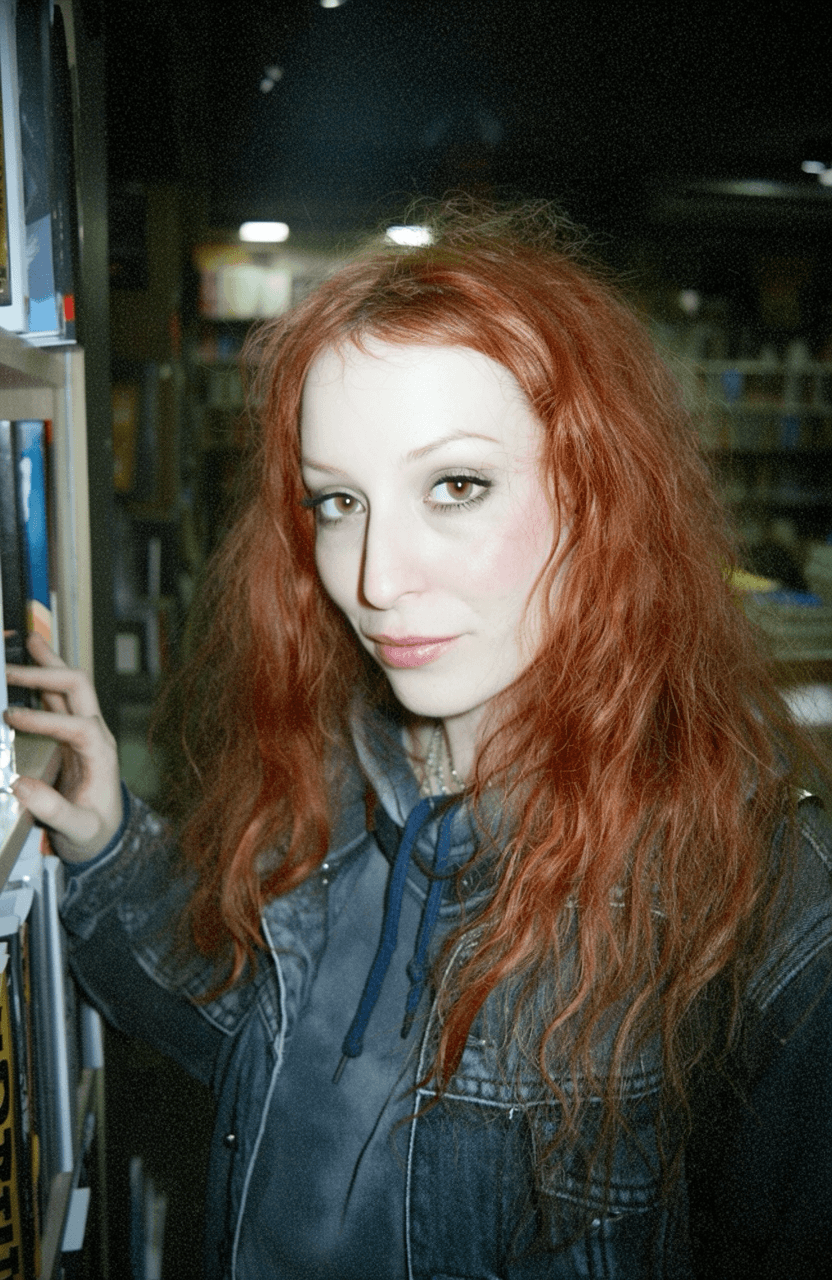
Emma-Jane MacKinnon-Lee escaping the moon
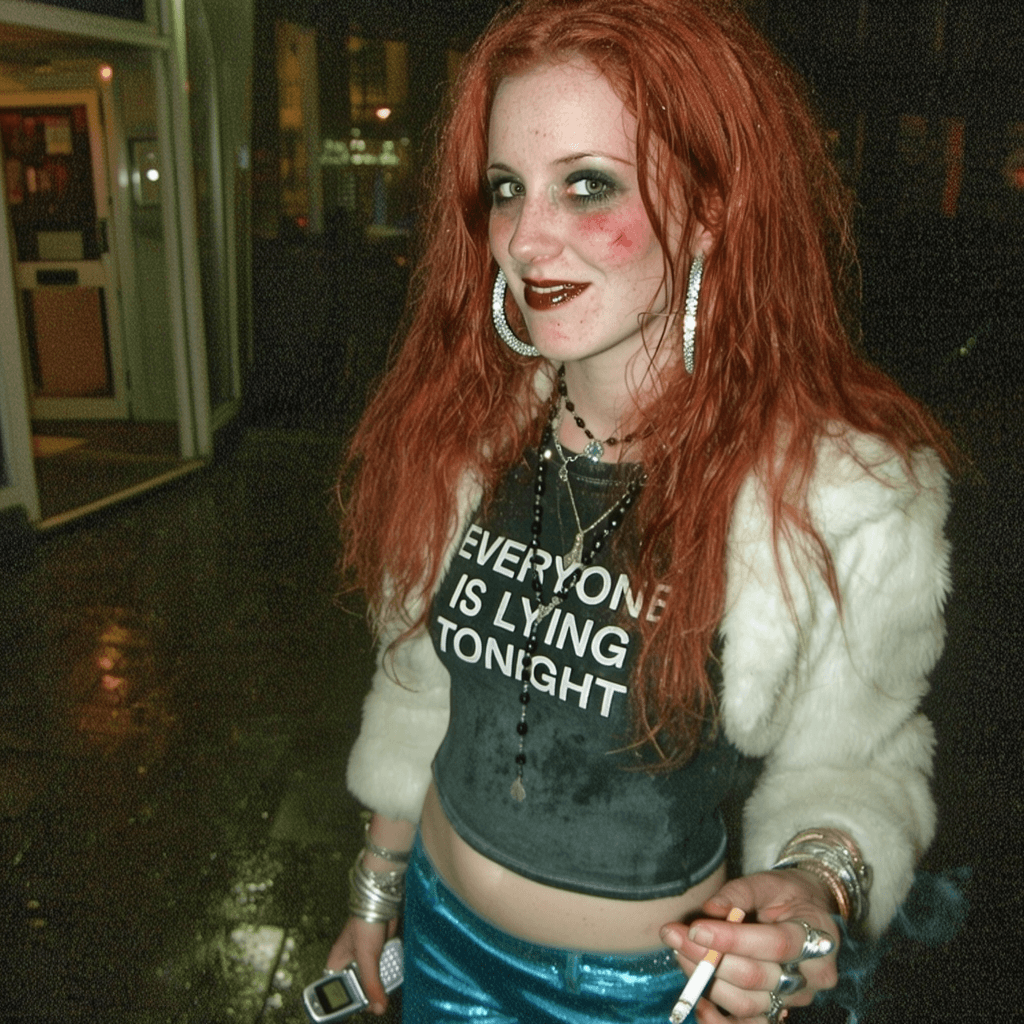
Emma-Jane MacKinnon-Lee on a showery sunday
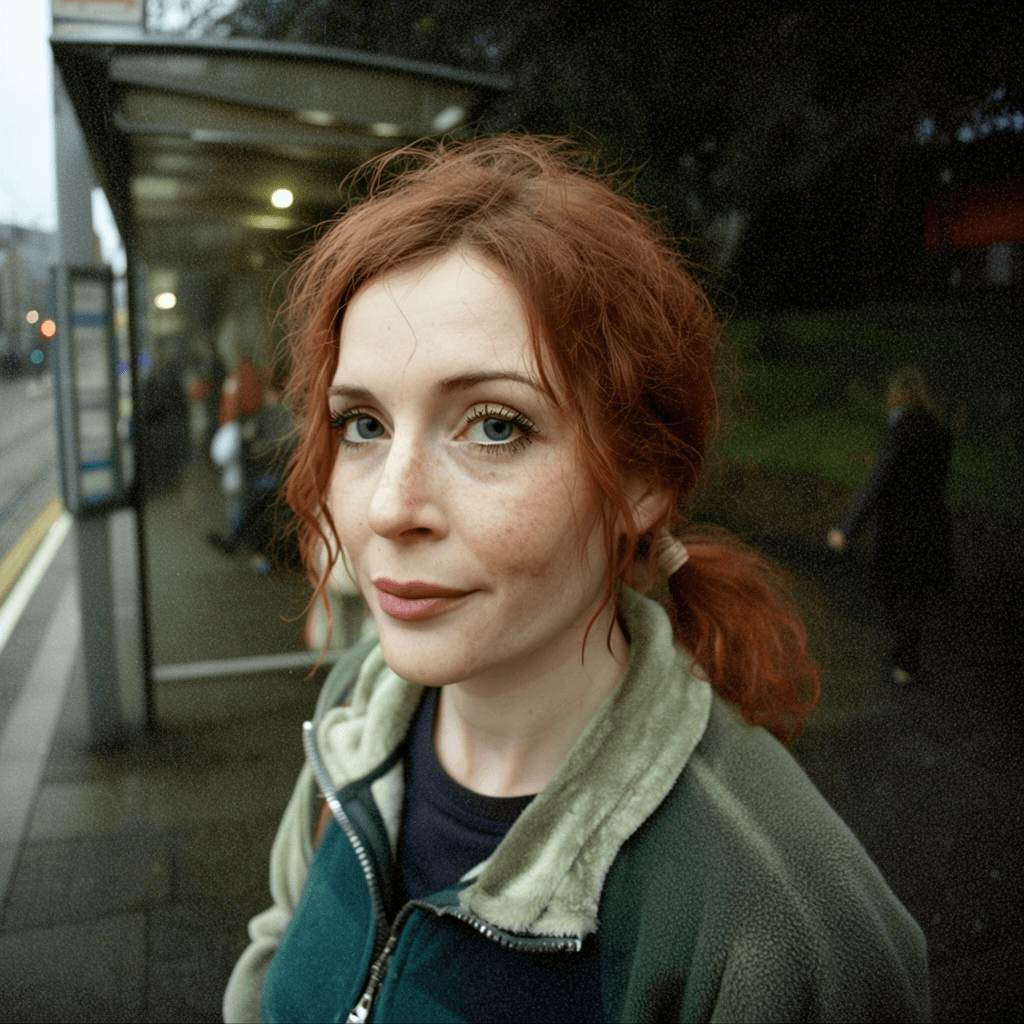
I usually start with a rule before I start with a story.
Not a big design rule. But more like a strange little social rule, the kind you hear in folklore: don’t take food from that house, never answer when someone calls your name from the water, always leave something on the table, never trust a map drawn by a man who wants to marry you. I build the world around what the rule does to people. Who follows it. Who breaks it. Who pretends not to believe in it but still gets nervous.
Then I try to turn that into play: a door that opens only if you gave something away, a path that changes if you lied, a spirit that helps you only when you remember its name, a market where prices move according to rumour instead of money.
I do a lot of messy prototyping. Small scenes, ugly menus, bits of dialogue, little movement tests, paper maps, bad placeholder art, notes written too late at night. I like that stage because the game has not learned to be respectable yet. It can still become something weirder.
Visually, I work from old images, public domain archives, travel photos, family pictures, textile patterns, temple objects, pub signs, festival rubbish, saints, offerings, weather, and screenshots I probably forgot to name properly. I like making worlds that feel handmade, half-remembered and slightly wrong in a useful way.
The development process is usually a mix of notebooks, playable prototypes, system diagrams, Discord calls, long walks, too many screenshots, and the occasional night out that accidentally solves a design problem. I test things early because players are very good at ruining your beautiful idea in ten seconds, and that is useful.
I use open source AI and ComfyUI mostly as a sketching machine, not as the thing that makes the game for me. It is useful when I am trying to find the mood of a place before I know how to build it. I make messy workflows for character studies, background tests, lighting ideas, pattern references, fake screenshots, shrine objects, market stalls, bog textures, old festival rubbish, weird little companion creatures, and visual rules that might become mechanics later.
ComfyUI suits the way I work because it feels more like wiring than prompting. I like being able to see the process: which model, which image, which mask, which control input, which mistake. I will feed it scans, photos, public domain images, fabric textures, old maps, sketches, phone pictures from Thailand or Bali, then push the results through different nodes until something starts to feel like the world of the game. A lot of it gets thrown away. Some of it becomes a palette, a level reference, a character mood, a prop, or a question I had not thought to ask.
For The Girl Who Refused the Moon, I used AI tests to explore tidal landscapes, wet roads, moonlight, party clothes at dawn and the feeling of a familiar Irish town becoming slightly wrong. For Offering Table, I used it more carefully, mainly for colour, composition and object studies, never as a shortcut for cultural research. For Night Market Oracle, it helped generate strange inventory objects and stall layouts. For Bog Body Disco, it was perfect for mud, fog, lights, cables and festival leftovers. For House of Small Gods, I used it to explore guesthouse corridors, room transformations and the moods of the small spirit companion.
The important part is that the AI output does not go straight into the final game untouched. It becomes research material, like a bad sketchbook with occasional accidents worth keeping. I redraw, rewrite, rebuild and test everything inside the actual game. The machines are good at giving me too much. My job is still to decide what belongs, what is lazy, what is beautiful by accident, and what needs to be made by hand.
A few moving sketches.
5 loops